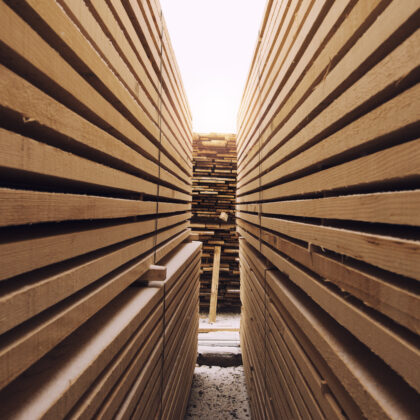
Timber has always been a cornerstone of construction and joinery. But in 2026, the rules around how it’s sourced, documented, and used are stricter than ever. For architects, contractors, and anyone involved in the construction process, keeping up with these changes isn’t just about compliance but about protecting your projects, your clients, and your reputation.
Let’s walk through the key updates shaping timber in the UK this year.
1. UK Timber Regulation: Keeping It Legal and Traceable
The UK Timber Regulation (UKTR) is still the backbone of timber compliance. Its purpose is simple: stop illegally harvested timber from entering the UK market.
If you’re an operator, i.e., the first to place timber on the market, you must prove where it comes from and that it’s legal. Traders, meanwhile, need to keep records of every transaction for at least five years. Think of it as a chain of custody that shows your timber is clean and trustworthy.
With Europe introducing its own deforestation rules, the UKTR remains vital at home. For joinery manufacturers and timber merchants, strong documentation and due diligence aren’t optional; they’re the foundation of credibility.
2. Sustainable Timber Procurement: Beyond Legal Compliance
Clients today expect more than just legal timber; they want sustainable timber. That’s where the UK Government’s Timber Procurement Policy (TPP) comes in.
Updated guidance in late 2025 raised the bar, asking businesses to show evidence that timber is both legal and responsibly sourced. Certifications like FSC and PEFC are often required, but here’s the catch: certification alone doesn’t guarantee compliance. You still need proper documentation and risk assessments.
For firms like Chilfen Joinery, this means building supply chains that are transparent, robust, and aligned with sustainable timber procurement principles. It’s about proving to clients that your timber is good for both the project and the planet.
3. Timber in Construction: New Safety and Product Rules
January 2026 brought sweeping changes to how construction products are tested and regulated and timber is firmly in the spotlight.
The Office for Product Safety and Standards (OPSS) now has stronger powers. Missing paperwork or misleading technical claims can lead to criminal charges. That means every piece of timber you supply, or use must come with accurate data, certification, and compliance records.
This isn’t just bureaucracy, it’s about building safer, more reliable structures. For anyone working with timber in construction, documentation is now as important as design.
4. Fire Safety: Where Timber Can Be Used
Fire safety rules around timber have always been strict, but 2026 has brought some much-needed clarity on the subject. Structural timber can now be used in external walls of buildings up to 18 metres, provided other safety conditions are met.
That’s good news for those working with engineered timber systems, but restrictions on timber cladding for higher-risk buildings remain. The message is clear: innovation is welcome, but only when safety is guaranteed.
For designers and builders, this means working closely with compliance experts to ensure timber solutions meet both creative and regulatory demands.
5. The Bigger Picture: Timber Driving Sustainability
Regulation aside, timber is central to the UK’s sustainability agenda. The Government’s Timber in Construction Roadmap highlights timber’s role in cutting carbon, creating green jobs, and driving innovation.
However here’s the challenge: over 70% of the UK’s timber is imported. That raises questions about resilience and the need to grow domestic forestry capacity. For forward-thinking joinery firms, like Chilfen Joinery, this is an opportunity to lead by investing in responsibly sourced materials and championing engineered timber solutions.
Turning Compliance into Opportunity
Yes, the rules are tougher in 2026, but they’re also a chance to stand out. By embracing UK timber regulation, committing to sustainable timber procurement, and staying ahead of changes in timber in construction, companies can demonstrate to clients not only compliance but industry leadership.
For Chilfen Joinery, this is about more than meeting standards. It’s about shaping a future where timber is trusted, sustainable, and central to the built environment.
Chilfen Joinery—Your Trusted Partner for Project Success.
Follow Us on LinkedIn
Stay updated with the latest news, insights, and project highlights by following Chilfen Joinery on LinkedIn